California's two balcony inspection laws have moved past their deadlines. In plain English, with the statutes cited, this page explains what each law requires now, and how the flagged repairs actually get done for buildings across Los Angeles and Ventura counties.
Opens an email to Silverleafrw@gmail.com with the subject already filled in. Attach the report and send it.
Updated August 2026 · Silver Leaf Roofing & Waterproofing
The Short Answer
California's balcony inspection deadlines have passed — January 1, 2025 for condominiums and HOAs under SB326, and January 1, 2026 for apartment buildings under SB721. Buildings are now in the repair-and-enforcement phase: if an inspection report flagged your elevated elements, you have defined windows to repair them. Waterproofing membranes, deck coatings, flashing, drainage — that repair work is what Silver Leaf does. Email us the report; the scope comes back in writing.
The Two Laws In Plain English
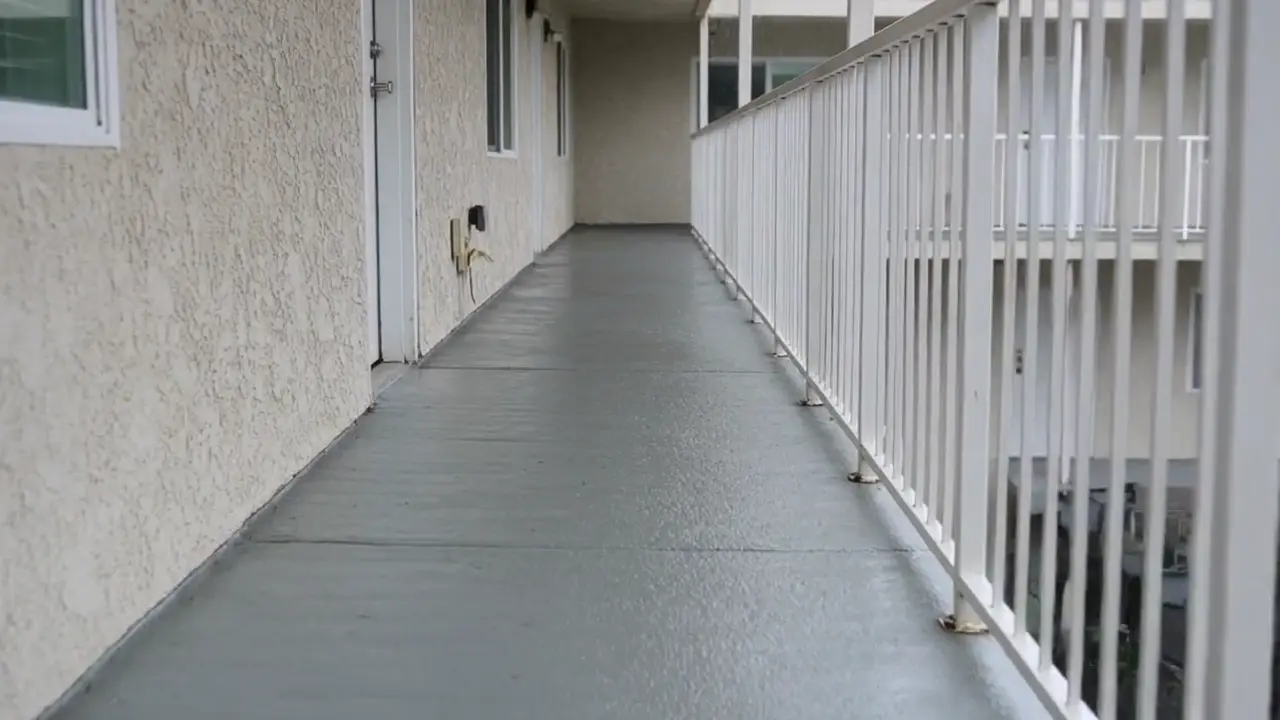
Both laws target the same thing: wood-framed “exterior elevated elements” with walking surfaces more than six feet above the ground, together with the waterproofing that protects them. That means balconies, decks, porches, stairways, walkways, and entry structures. The difference is who owns the duty.
Condominiums & HOAs
SB326
Civil Code §5551
Who It Covers
Condominium and HOA-governed buildings with three or more attached units. The association — not the individual owner — carries the inspection duty.
First Deadline
January 1, 2025 — now passed.
Inspection Cycle
Every nine years, alongside the reserve study.
Who Inspects
A licensed structural or civil engineer, or an architect.
Who Repairs
A licensed contractor, under permit. The inspector diagnoses; the contractor repairs.
Apartment Buildings
SB721
Health & Safety Code §17973
Who It Covers
Apartment buildings with three or more units. HOA-governed condominiums are exempt here. SB326 covers them instead.
First Deadline
January 1, 2026 — now passed (extended once, by AB 2579).
Inspection Cycle
Every six years.
Who Inspects
A licensed architect, a civil or structural engineer, a contractor holding an A, B, or C-5 license with at least five years of experience, or a certified building inspector.
Who Repairs
A licensed contractor, under permit, inside the statute's repair windows.
What Happens After A Flagged Report
The report sorts findings into two tracks, and the tracks move at different speeds. Neither one is a reason to panic — both are a reason to schedule.
If The Report Names An Immediate Hazard
Access closes first. Under SB326, the inspector delivers the report to the association immediately and notifies local code enforcement within 15 days, and the association must keep occupants off the element until the repair is approved. Under SB721, preventing access until emergency repairs are complete is itself the required first step. Shoring, tarping, and barriers come first; the permanent repair follows under permit.
If The Repairs Are Non-Emergency
SB721 sets the clock: the inspector delivers the report within 45 days of the inspection, the owner applies for repair permits within 120 days of receiving it, and the work must be completed within 120 days of permit issuance unless the building department grants an extension. SB326 states no single statewide day count for this track. The association carries the repair duty, and boards fold the work into maintenance and reserve planning. Sooner is cheaper: water damage compounds while paperwork waits.
If The Repairs Wait Too Long
SB721 builds in escalation: if repairs aren't completed within 180 days, the inspector must notify the local enforcement agency, and after a 30-day notice the owner can face civil penalties of $100 to $500 per day until the work is done, plus a possible safety lien on the property (HSC §17973). Under SB326, local enforcement can step in and recover its costs from the association. The statutes are built so that delay costs more than repair, which is the practical argument for scoping now.
Every jurisdiction runs its own permitting and enforcement process. Confirm the specifics with your local building department before you set a schedule.
What Repairs Usually Look Like
Most flagged findings trace back to the same cause: the waterproofing stopped doing its job, and water reached the wood. The repair puts that protection back — correctly, under permit, and documented.
Walkable Waterproofing Membranes
The most common finding: the deck surface let water reach the framing. We remove the failed system and install a walkable membrane, sloped so water leaves on its own.
Deck Coating Systems
Traffic-rated coatings for balconies, walkways, and stairs. The wearing surface and the waterproofing are one system, renewable on a schedule instead of replaced in a crisis.
Flashing & Terminations
Where a deck meets a wall, a post, or a door sill is where most water gets in. We rework flashing and edge metal so the membrane is sealed at its edges, not just across its field.
Drainage & Slope
Ponding water is what turns a small breach into rot. Scuppers, drains, and slope corrections move water off the element by design.
Where the inspector found decayed framing, the structural members are repaired or replaced under the engineer's direction before any waterproofing goes back on. A coating is only as good as the wood beneath it. Balcony and deck systems are part of our everyday waterproofing work, not a specialty we bolt on.
Have The Report In Hand?
That report is most of the scoping work already done. Attach it to an email and the repair plan comes back in writing: what, how, and in what order. The button below opens a message to Silverleafrw@gmail.com with the subject already filled in.
A flagged report lands on someone's agenda — usually yours. The job is to turn it into a plan a board can approve and residents can live with.
A Board-Ready Scope
The estimate arrives in writing, mapped to the inspection report's findings item by item, with photos — a document a board can vote on and a manager can file.
Phased Schedules
Multi-building repairs don't have to happen all at once. We phase the work by building, by stack, or by severity, so budgets and residents both get fair warning.
Tenant Awareness
Closed balconies and access barriers are handled like the safety measures they are: posted, explained, and removed as each element passes its final inspection.
A Clean Paper Trail
When the work is done you hold the permits, sign-offs, and photos, so the next six- or nine-year report starts from a known-good baseline.
A balcony leak, in the words of the client who had it fixed. It was on our previous website; it is unedited.
Balcony waterproofing
Silver Leaf Construction turned our leaky balcony into a worry‑free space. Their crew arrived on time, communicated every step clearly, and completed the job ahead of schedule. We appreciated their deep understanding of waterproofing from deck membranes to drainage solutions. The craftsmanship is top-tier, and you can tell they genuinely care about protecting properties. They've truly earned our trust and our future business.
— Former Client
Sources
Every deadline, window, and penalty range on this page comes from the statutes below. Nothing is quoted from secondhand summaries. Read the law directly:
Statute text: exterior elevated element inspections for buildings with three or more dwelling units, including the repair windows and penalty provisions cited on this page. California Legislative Information. Accessed August 2026.
Verify any California contractor's license before hiring — for the inspection and for the repair. Accessed August 2026.
Where We Do This Work
Balcony, deck, stairway, and walkway repairs under SB326 and SB721 for condominium associations, apartment owners, and property managers across the cities below.
Balcony Repair Questions
SB326 applies to condominium and HOA-governed buildings with three or more attached units; SB721 applies to apartment buildings with three or more units and exempts HOA-governed condominiums. Both cover wood-framed elevated elements with walking surfaces more than six feet above the ground: balconies, decks, porches, stairways, walkways, and entry structures. If your building has fewer than three units, neither law applies. When ownership is mixed or unusual, your local building department can confirm which law governs your property.
It depends on the law and on what was flagged. Under SB721, an apartment owner must apply for repair permits within 120 days of receiving the inspection report and complete the work within 120 days of permit issuance unless the building department grants an extension; anything flagged as an immediate hazard means access is closed off right away. Under SB326, an association must prevent access to any element flagged as an immediate threat until the repair is approved, and carries the ongoing duty to repair everything else. Local process varies, so confirm specifics with your local building department. Start scoping now, because permits and repairs both take time.
Yes. The inspection belongs to an engineer, an architect, or a certified inspector; the repair belongs to a contractor, and the repairs these reports flag are Silver Leaf's core work: waterproofing membranes, walkable deck coatings, flashing, and drainage on balconies, decks, stairways, and walkways. Email us the inspection report and the repair scope comes back in writing, mapped to what the inspector flagged. Call (818) 747-1131 or email the report to Silverleafrw@gmail.com.
Four things, and all four are readable off your own report. How many elevated elements were flagged, and how severely. Whether the framing beneath the coating is sound. Where an inspector found decayed wood, the structural members are repaired or replaced under the engineer's direction before any waterproofing goes back on. Whether the work is phased by building, by stack, or by severity, which is what lets a board fold it into budget and reserve planning instead of absorbing it at once. And permits, because these repairs are done under permit. Email us the report and the scope comes back in writing, mapped to the inspector's findings item by item, so a board can see what each finding carries before it votes.
The Report Told You What. We Handle The How.
No report yet, or one that raised more questions than it answered? Tell us about the building and we will come look at the elevated elements. Estimates are free and the scope arrives in writing.